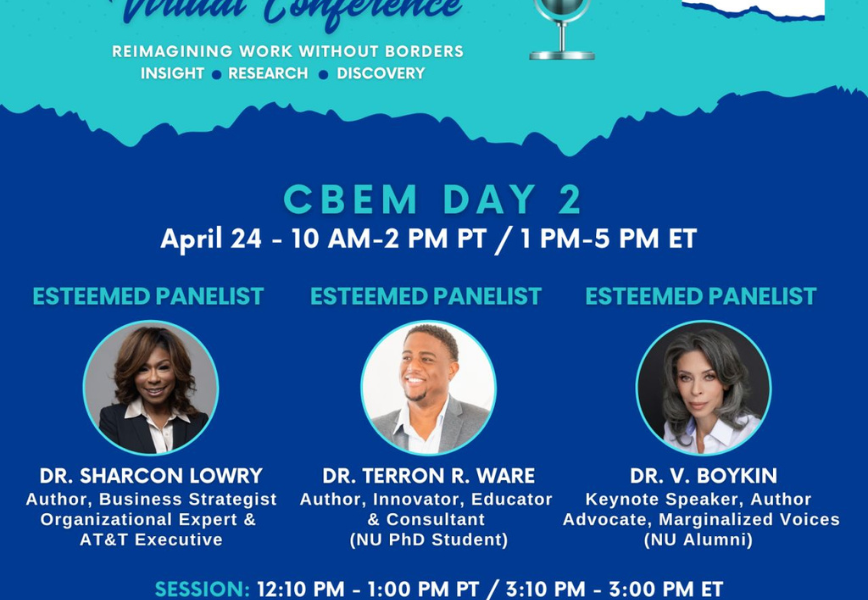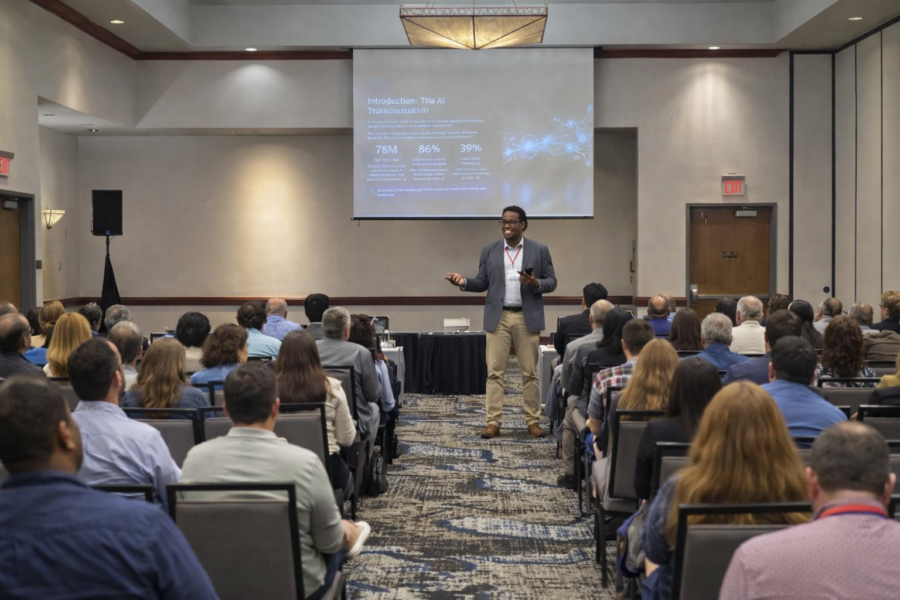
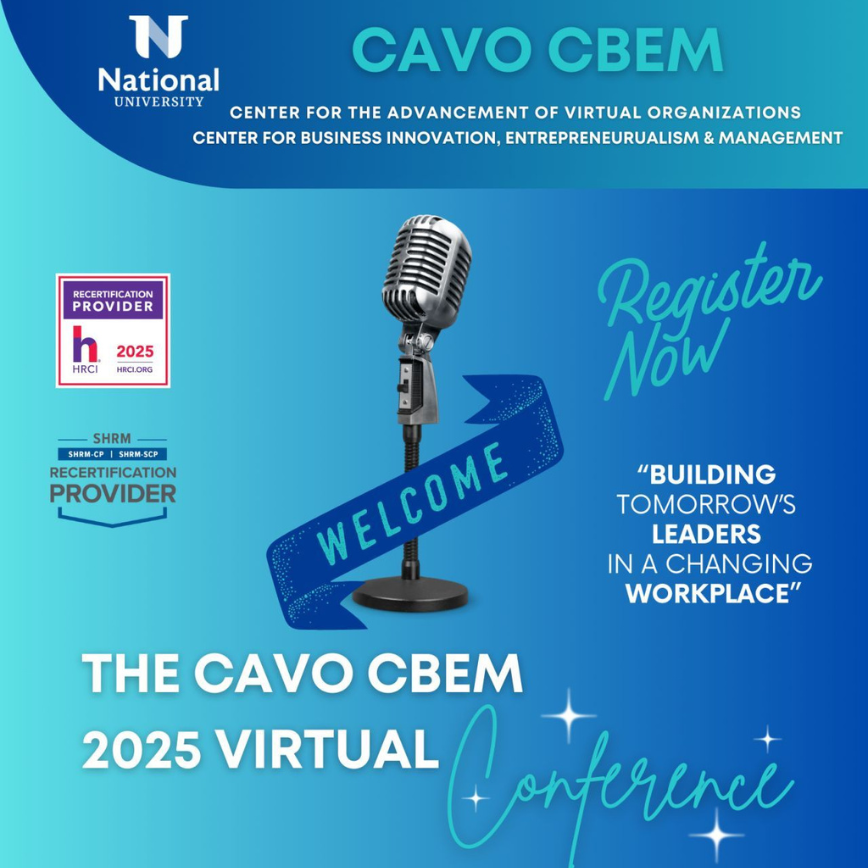
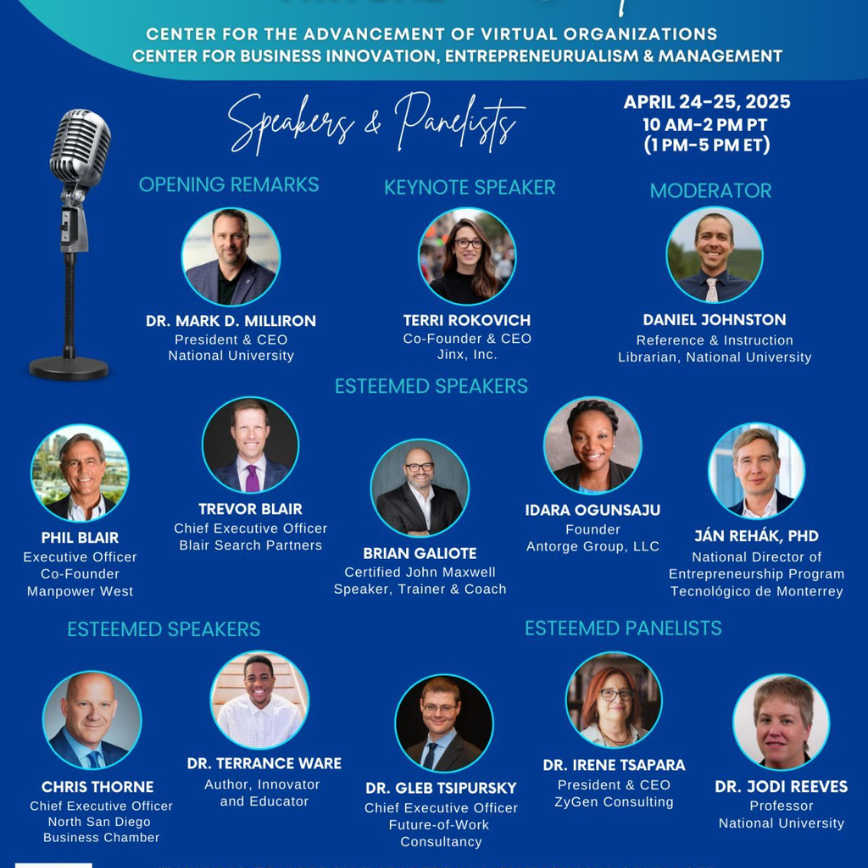
One year ago, I had the privilege of presenting at the CAVO Virtual Conference, an event dedicated to building tomorrow’s leaders in a changing workplace. My session, titled A New Era of Leadership with AI Maximizing Performance and Minimizing Cost focused on how artificial intelligence is reshaping leadership practice and organizational strategy. Looking back, I am reminded of how timely and necessary that conversation was and how much the landscape has continued to evolve since then.
During the session, I shared insights on how artificial intelligence can streamline operations, optimize costs, and strengthen decision-making. Leaders across industries are facing rapid change, and artificial intelligence has become central to how organizations adapt, innovate, and remain competitive. The goal of my presentation was simple. I wanted to give leaders practical tools they could use immediately to navigate this shift with clarity and confidence.
The conference theme, Building Tomorrow’s Leaders in a Changing Workplace, captured the urgency of the moment. We were not just talking about technology. We were talking about people. We were talking about leaders who are trying to guide teams through uncertainty. We were talking about organizations that are rethinking how work gets done. We were talking about the future of leadership itself.
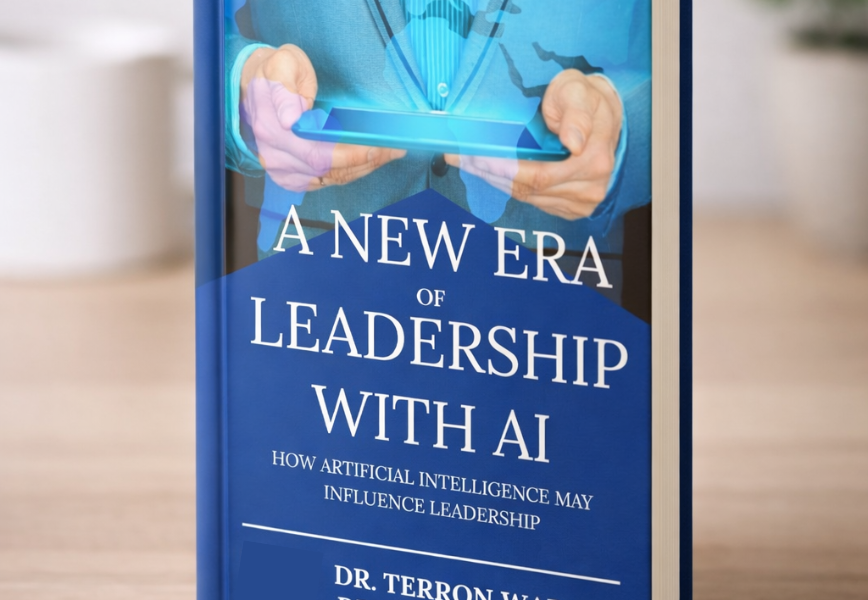
My research focuses on how leaders perceive, adopt, and apply artificial intelligence in real organizational settings. Presenting at the CAVO Virtual Conference allowed me to connect that research with leaders who are actively shaping the future of work. It also aligned closely with the themes in my books A New Era of Leadership with AI and Teaching and Leading with Artificial Intelligence in Higher Education. Both projects explore how artificial intelligence influences leadership, governance, and organizational readiness.
What stands out most from that experience is the level of engagement and curiosity from attendees. Leaders are eager to understand how artificial intelligence can support performance, reduce cost, and strengthen human-centered decision-making. They are looking for guidance that is practical, ethical, and grounded in real-world application.
As I reflect on that presentation one year later, I am grateful for the opportunity to contribute to a conversation that continues to grow in importance. The future of work is already here, and leaders have a responsibility to approach artificial intelligence with both innovation and integrity.
To everyone who attended the session, thank you for your commitment to thoughtful leadership. Let us continue shaping workplaces that are ready for the future and grounded in purpose.
About Dr. Terron Ware
Dr. Terron R. Ware is an executive integrator, academic leader, and AI strategist specializing in how artificial intelligence is reshaping leadership, organizations, and higher education. As a professor, researcher, and keynote speaker, he helps institutions design human‑centered, AI‑ready strategies for the future of work. Learn more at www.drterronware.com.